I haven’t spent a lot of time on my family tree recently. It is fantastic that there are so many online resources available but there are times when I just don’t feel like sitting looking at a screen. It is my intention to visit more of the places linked to my family history.
Last week I had a day to myself to spend in Dundee. It had been my intention for some time to revisit the Verdant Works Museum. I have visited before but it was a family trip when my son was much younger. This time I wanted to find out more about the jute worker in my family tree, great granny Sarah Helferty.
Sarah was born in Glasgow in 1867 to Irish parents, Arthur Helferty and Mary Wilkinson. Life was tough for Irish immigrants and Sarah’s family were among the poorest. She was just 4 years old when her mother died in the City Poorhouse. It would seem Arthur did his best to keep the family together but by the age of 14 Sarah was on her own and staying in lodgings which she paid from her wages as a tobacco worker.
Opportunities in Glasgow were limited but at that time Dundee had a thriving jute industry. The city dominated the global jute textile industry and became known as Juteopolis. The rapid rise in the industry lead to a massive rise in the population which expanded fourfold in the 19th century. At its height, 50,000 people were employed in the city’s mills and factories. The biggest of all the mills was Camperdown Works in the Lochee area of the city. The city needed labour and the cheaper the better and thus the mill owners actively recruited Irish immigrants who turned Lochee into “Little Tipperary”.
Sarah travelled from Glasgow to live and work in Dundee and in 1888 she was living at 42 Whorterbank, Lochee with her occupation given as jute mill worker. An address in Lochee means she was working for the Cox family at the massive Camperdown Works.
Unlike the coal and iron industries that brought my ancestors to Lanarkshire, jute was very much female dominated. 75% of the workforce and of the males, many were young boys who lost their jobs when they reached adulthood. The museum tells the story of the women workers and the men who stayed at home to look after the children and keep the house.
While it is impossible to fully understand the conditions the women in the mills faced both in the workplace and at home, the Verdant Works Museum gives a real insight into their lives. For example, you can see the mill machinery and get to know the different roles in the mills. When these machines are switched on you get a shocking glimpse of a day in the life. The noise is incredible. You can’t hear yourself think. It must have been so frightening to walk onto the work floor on that first day. To have that as a constant background hour after hour and day after day is unimaginable. The women developed their own sign language to communicate and of course, over time their hearing deteriorated.
The hours were long and the conditions were so tough. Fibres from the jute got into the lungs causing long term health issue. Accidents were common and workers had to remain alert. They were paid for what they produced and not by the hour so they were under constant pressure to meet their targets.
After a day at the machines they returned to squalid, overcrowded accommodation. It is really no wonder that many turned to drink to escape the misery. There must have been some happy times with parties and celebrations and for Sarah, there was also romance. Living next door to her in Whorterbank was a young Irish labourer called Patrick Cosgrove. She and Patrick married in St Mary’s Church, Lochee (which is still there) in December 1888. I’d like to think there was a proper celebration with friends and co-workers from the mill.
The museum also has displays and films depicting the lives of the workers. It is great to see the old photos and hear their stories. To me it sounds like a nightmare but the workers managed to find some humour and positivity. They made the best of what they had.
You can also learn about the lives of the mill owners who were profiting from the labour of all these women and children. These Jute Barons lived a very different life and knew a very different Dundee. They did provide parks and some areas of recreation for the workers, named after themselves, of course. The workers would have much preferred fairer wages and better living conditions. Isn’t that always the way?
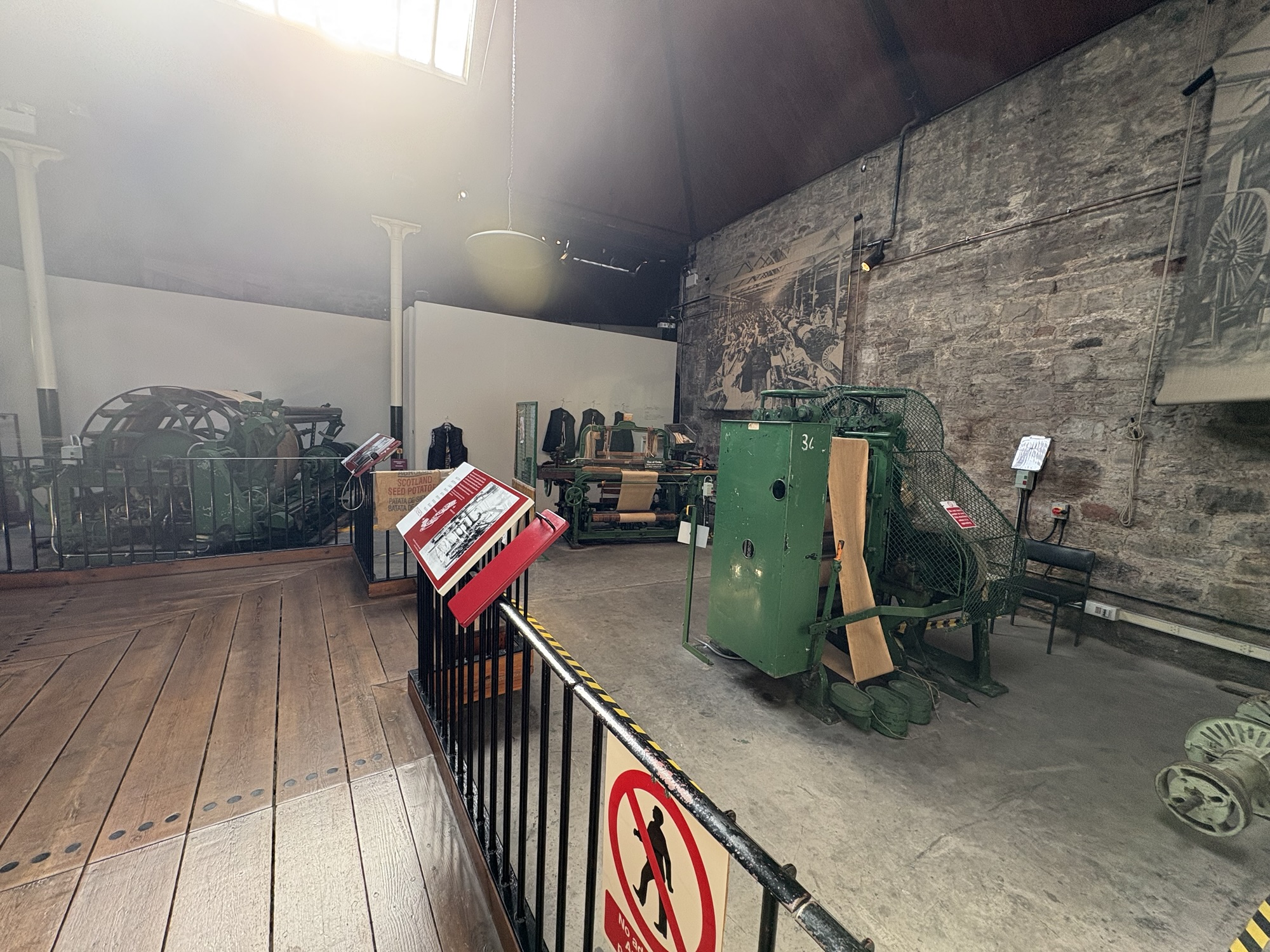
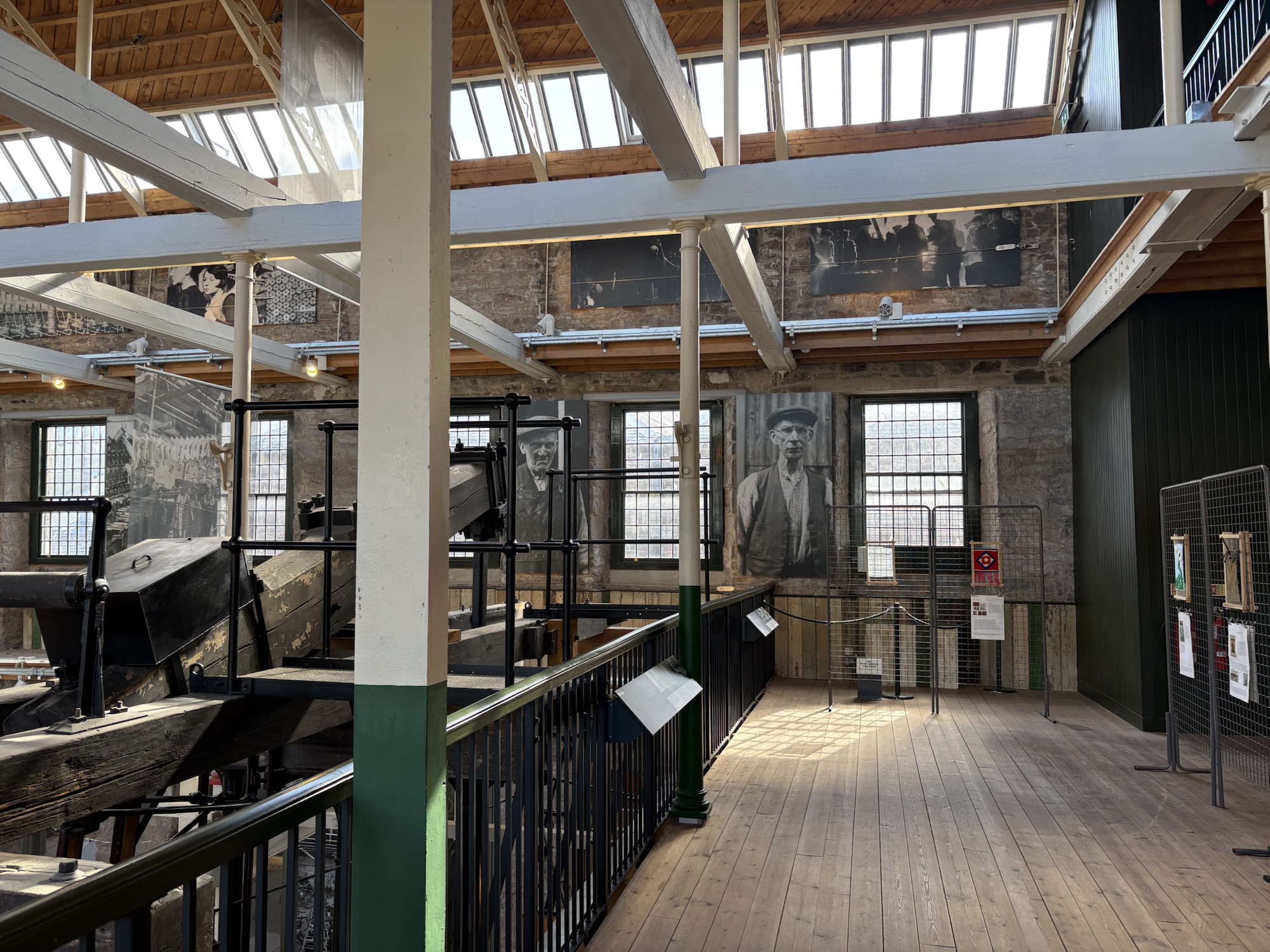
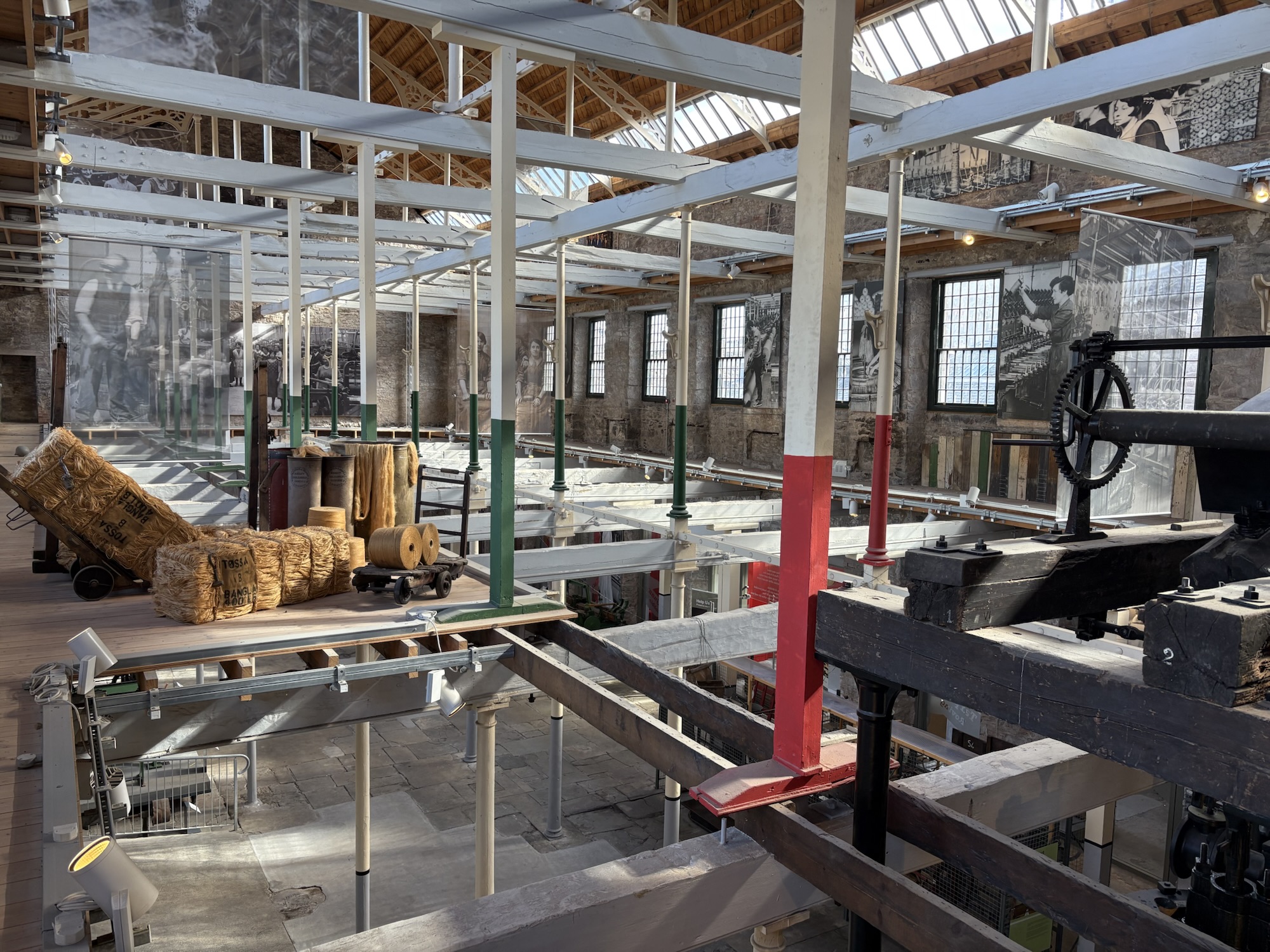
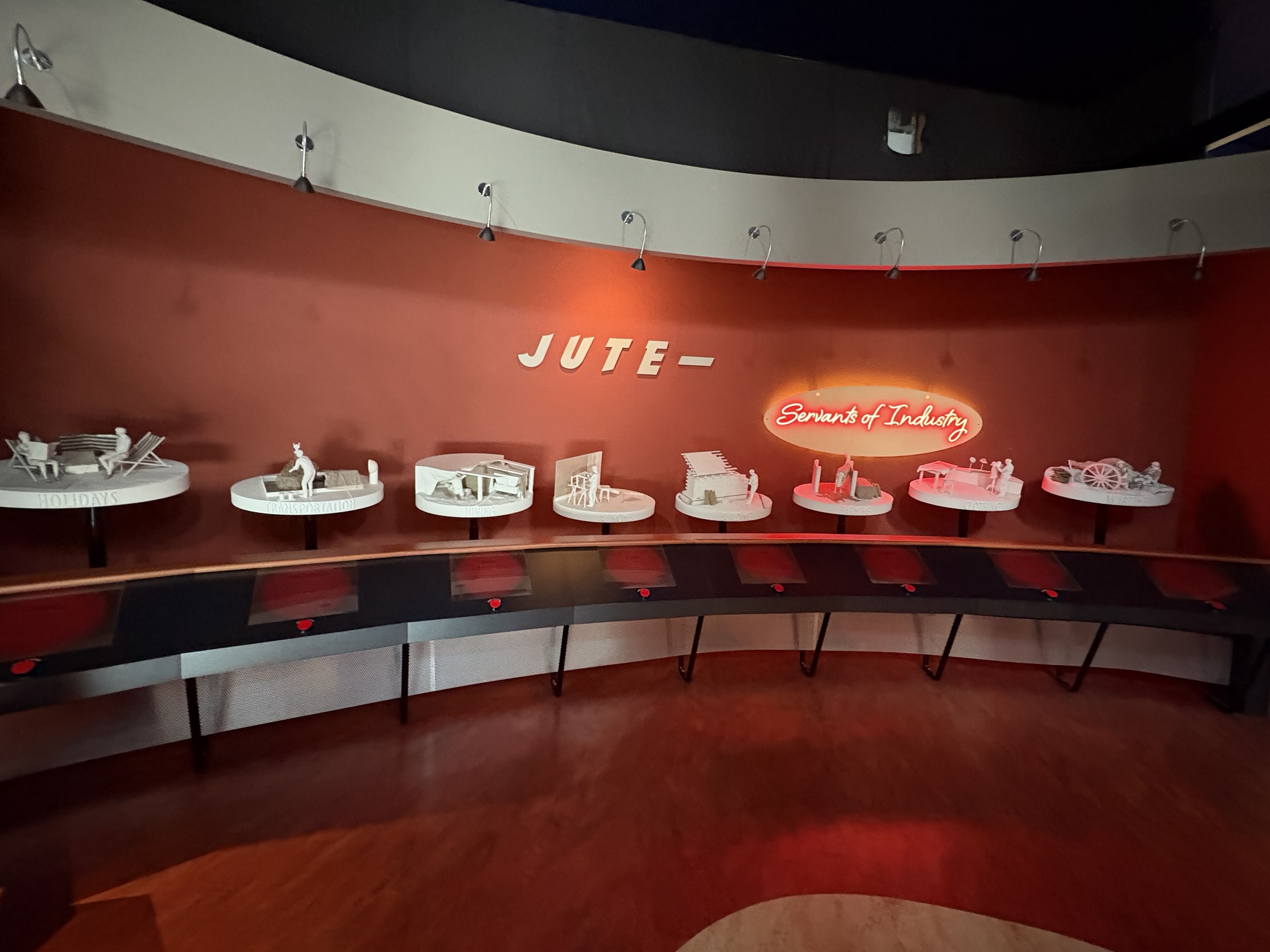
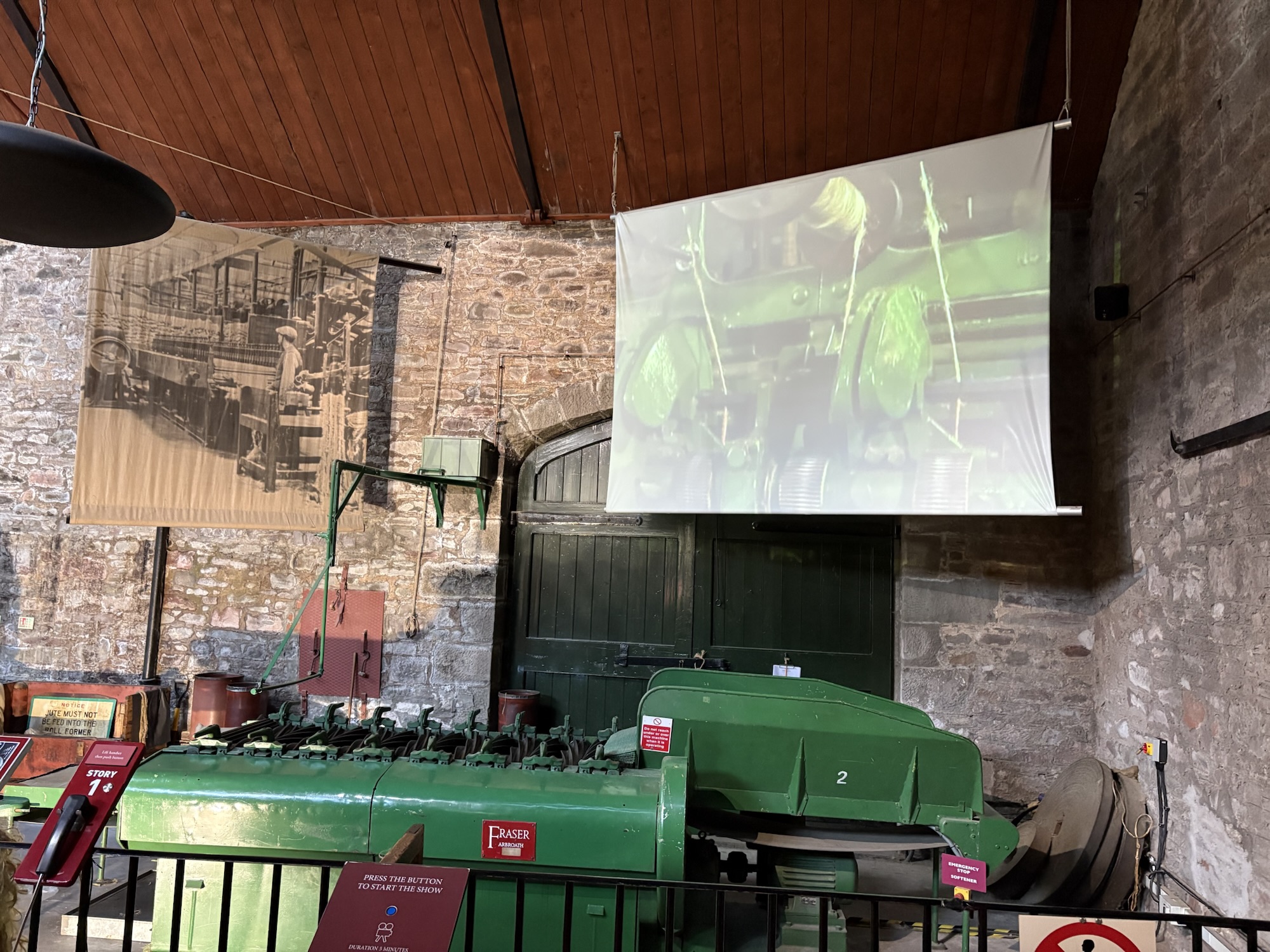

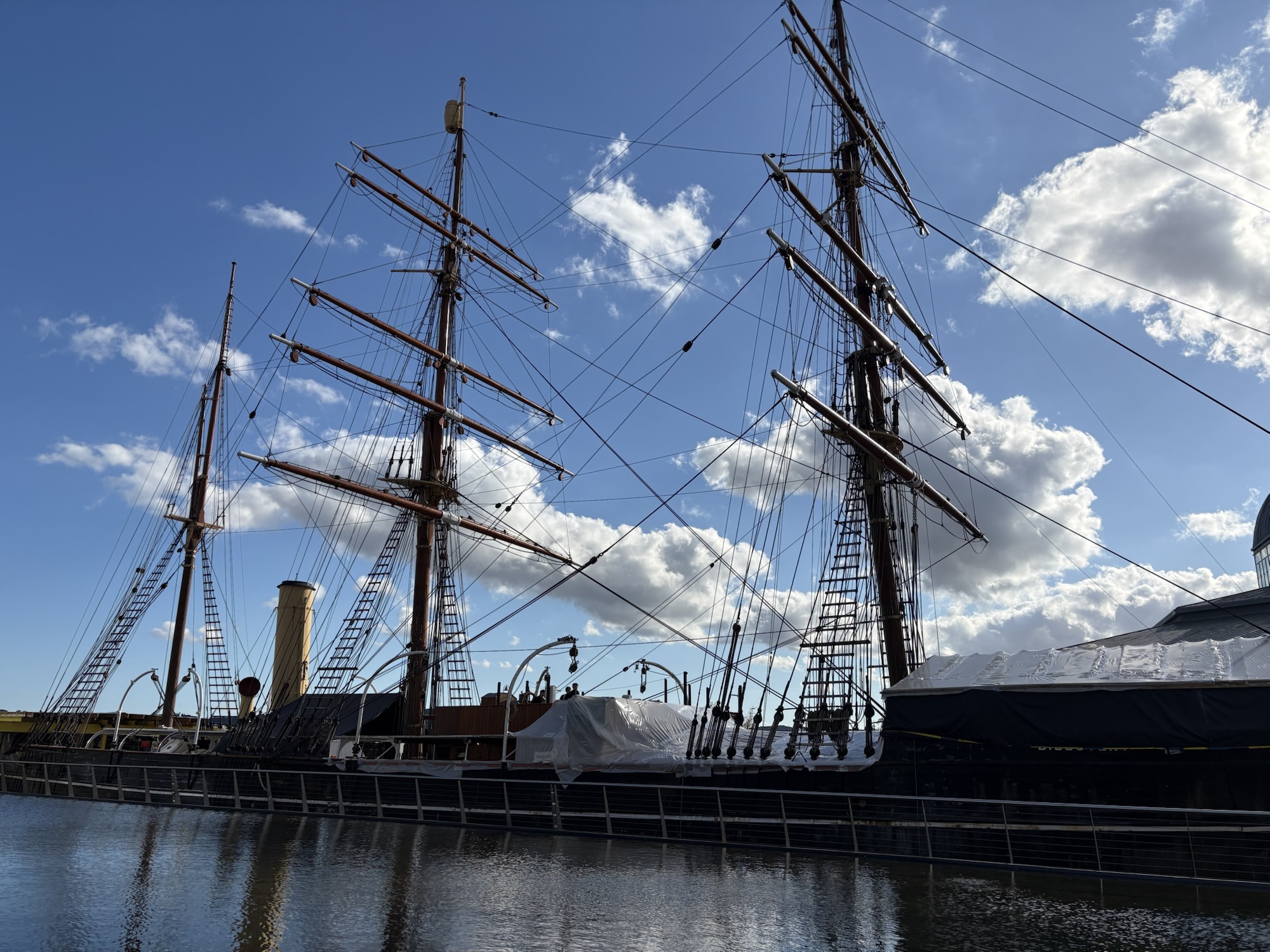
I bought the Explore More Pass which grants entry to both Verdant Works Museum and Discovery Point for a whole year. It cost just £22.50. At Discovery Point you can step aboard the Royal Research Ship Discovery famous for her legendary Antarctic expedition of 1901 under Captain Scott. The museum also tells the story of Dundee’s shipbuilding history and of the city’s whaling industry which was crucial to the jute trade.
I spent some time at Discovery in the afternoon. It has changed since my last visit and it really is a fascinating place. There are lots of interactive exhibits and you get a fabulous view of the city from the viewing area upstairs. I got to watch the film and enjoy the view all on my own. There are works ongoing on the ship to help preserve it but you can still go on board and look around. I love this sort of thing.
To finish my day I visited the V&A museum. It looks amazing from the outside but is, sadly, always a disappointment. The best thing I can say about it is that it is free.
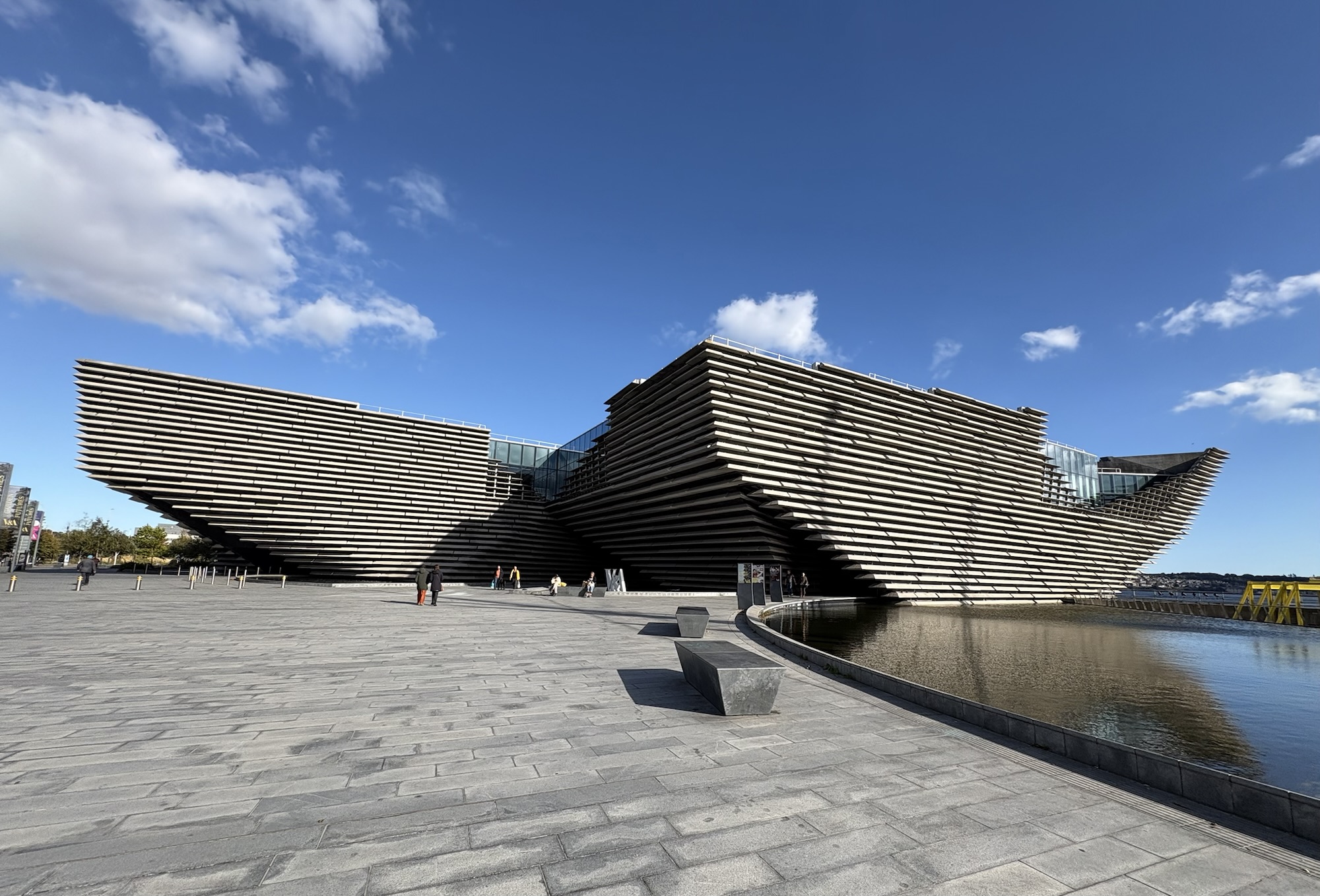
I even got a really nice day for my visit!
 Shaking The Branches